
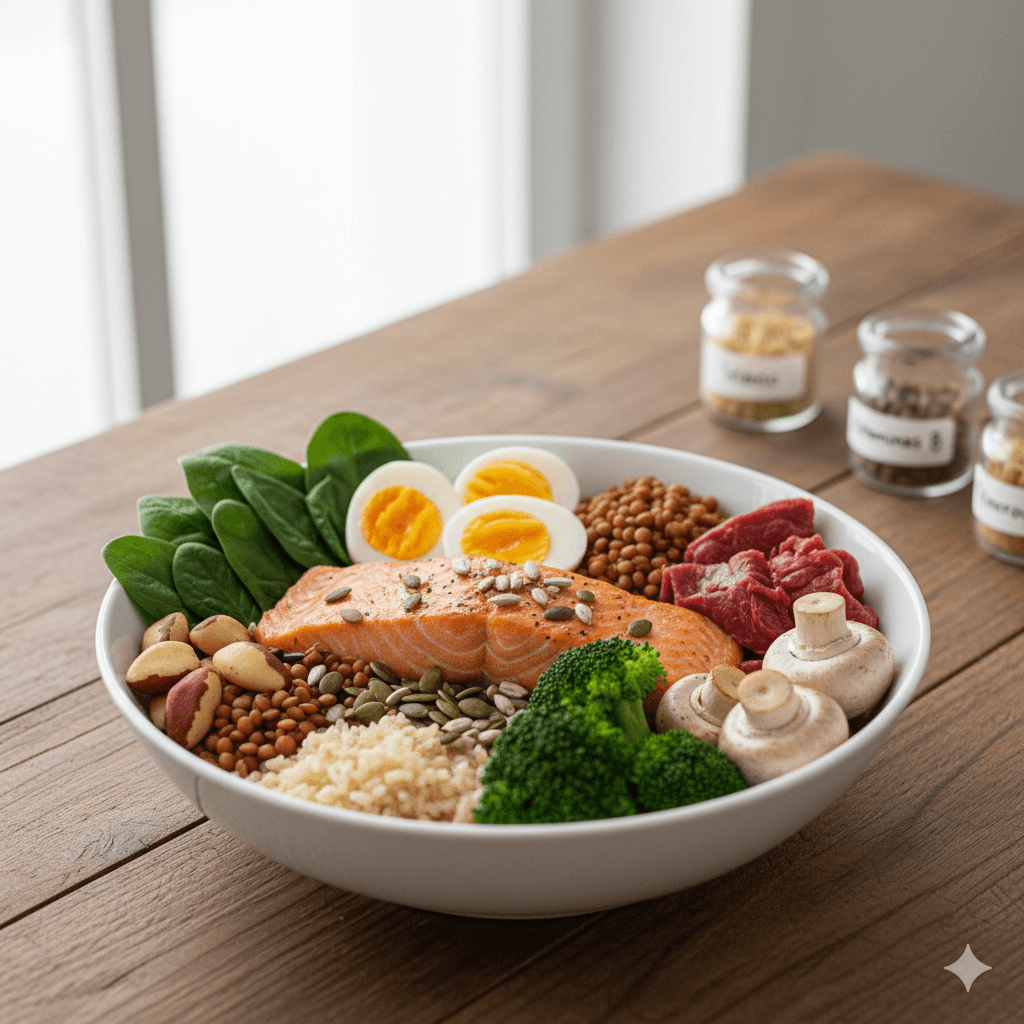
What Are Micronutrients and Why Do They Matter?
Micronutrients are vitamins and minerals that your body requires in small amounts but cannot produce on its own. Unlike macronutrients (proteins, fats, and carbohydrates), micronutrients do not provide calories. However, they serve as essential cofactors in hundreds of enzymatic reactions that regulate everything from energy metabolism to DNA repair.
A deficiency in even one micronutrient can cascade into fatigue, weakened immunity, poor cognitive function, and accelerated aging. Yet modern diets, heavily reliant on processed foods, often fall short of meeting daily requirements for key vitamins and minerals.
The Essential Micronutrients for Vitality
Zinc: The Immune Gatekeeper
Zinc is involved in over 300 enzymatic reactions and is crucial for immune cell development, wound healing, and protein synthesis. Research published in the American Journal of Clinical Nutrition shows that even mild zinc deficiency can impair immune response and increase susceptibility to infections.
- Best sources: Oysters, pumpkin seeds, grass-fed beef, chickpeas, and lentils.
- Daily target: 8-11 mg for adults, with higher needs during illness or intense physical activity.
Selenium: The Antioxidant Amplifier
Selenium supports thyroid function, reproductive health, and acts as a powerful antioxidant through its role in glutathione peroxidase enzymes. Studies indicate that adequate selenium intake is associated with reduced oxidative stress and lower risk of chronic disease.
- Best sources: Brazil nuts (just 1-2 per day), sardines, eggs, and sunflower seeds.
- Daily target: 55 mcg for adults.
Iron: The Oxygen Transporter
Iron is essential for hemoglobin production, which carries oxygen to every cell in your body. Low iron levels are one of the most common nutritional deficiencies worldwide and a leading cause of chronic fatigue, especially in women of reproductive age.
- Best sources: Red meat, spinach, lentils, and fortified cereals.
- Pro tip: Pair iron-rich foods with vitamin C to enhance absorption by up to 300%.
B Vitamins: The Energy Complex
The B-vitamin family (B1, B2, B3, B5, B6, B7, B9, B12) works synergistically to convert food into cellular energy, support nervous system function, and maintain healthy red blood cells. B12 deficiency is particularly common in plant-based diets and can lead to neurological symptoms if left unaddressed.
Key Insight
Micronutrient needs are not one-size-fits-all. Factors like age, stress levels, gut health, and physical activity can significantly alter your requirements. A whole-food-first approach, supplemented strategically, is the most reliable path to optimal levels.
Signs You May Be Micronutrient Deficient
Many micronutrient deficiencies develop gradually and are easy to overlook. Common warning signs include:
- Persistent fatigue that does not improve with rest (iron, B12, magnesium).
- Frequent illness or slow healing (zinc, vitamin C, vitamin D).
- Muscle cramps or twitches (magnesium, potassium, calcium).
- Brain fog or poor concentration (B vitamins, iron, omega-3s).
- Brittle nails or hair loss (biotin, zinc, iron).
How to Optimize Your Micronutrient Intake
Building a micronutrient-rich diet does not require radical changes. Focus on these foundational strategies:
- Eat the rainbow: Different colors in fruits and vegetables indicate different phytonutrients and micronutrient profiles.
- Prioritize whole foods: Processing strips foods of many essential vitamins and minerals.
- Include organ meats or shellfish weekly: These are among the most micronutrient-dense foods available.
- Consider soil quality: Modern agricultural practices have depleted minerals from soil, making supplementation more relevant than ever.
- Test, do not guess: Blood panels for ferritin, B12, vitamin D, zinc, and magnesium can reveal hidden deficiencies.
"The difference between feeling good and feeling great often comes down to the micronutrients most people overlook."